Halima Sofira: A Refined Script Typeface
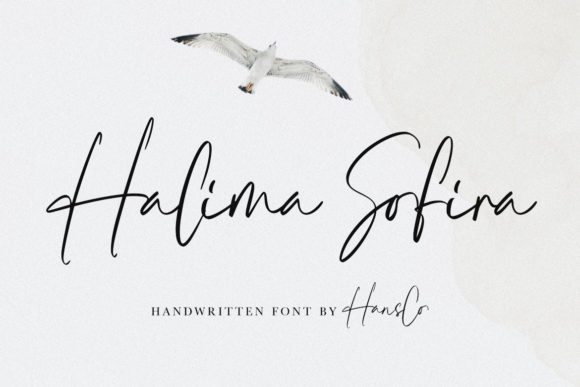
When I first opened my design software to start a new branding project for a boutique skincare line, I knew the standard sans-serif options wouldn’t capture the delicate, human touch the client wanted. That is when I discovered Halima Sofira, a stylish and refined handwritten font that immediately changed the trajectory of the mockup. As a designer, finding the right balance between elegance and legibility in Script Handwritten Fonts can be challenging, but this typeface offered a seamless blend of personality and professionalism that felt instantly authentic.
Using Halima Sofira for Wedding Invitations and Elegant Stationery
Halima Sofira shines brightest when applied to projects that demand a personal, intimate connection with the reader, such as wedding invitations and thank you cards. In my recent test, I placed the font on a textured cream cardstock mockup for a wedding suite, and the result was nothing short of magical. Because Halima Sofira is a stylish and refined handwritten font, it carries the weight of traditional calligraphy without the rigidity, making it perfect for weddings and greeting cards where emotion matters more than corporate structure.
The strokes flow naturally, mimicking the pressure variations of a real pen, which adds a layer of sophistication that digital defaults often lack. When designing for weddings, the goal is to make the recipient feel special before they even open the envelope. This font achieves that by offering a personalized style that feels bespoke. Whether you are designing save-the-dates, menu cards, or place settings, the fluidity of the script ensures that the text remains readable while maintaining an air of high-end luxury. It transforms simple paper goods into cherished keepsakes.
Creating Personalized Greeting Cards with Script Handwritten Fonts
Beyond weddings, I explored how Halima Sofira performs on everyday greeting cards and thank you notes. The versatility of this typeface allows it to adapt to various tones, from celebratory to sincere. When working with Script Handwritten Fonts, one common pitfall is illegibility at smaller sizes, but Halima Sofira maintains its clarity even when scaled down for interior messages. This makes it an excellent choice for designers who need a reliable tool for stationery lines that require both impact and intimacy.
I tested the font on a series of holiday greeting cards, pairing it with a minimal sans-serif for the body text. The contrast highlighted the elegance of the script without overwhelming the message. For small business owners who send handwritten-style thank you cards to customers, using a digital font like this can save hours of labor while still providing that crucial human touch. It bridges the gap between mass production and personal care, ensuring every card feels like it was written by hand.
Integrating Halima Sofira into Brand Identity and Logo Design
While Halima Sofira is often associated with stationery, its potential in brand identity is equally compelling. I used it to create a wordmark for a local artisan bakery, and the results were striking. The font’s refined curves added a sense of craftsmanship and quality that aligned perfectly with the brand’s values. When selecting Fonts for logo design, it is essential to choose a typeface that stands out in a crowded market, and this script delivers distinctiveness without sacrificing professionalism.
In branding, consistency is key. I found that Halima Sofira works exceptionally well as a display font for headlines and logos, while needing support from a cleaner typeface for longer texts. By pairing it with a modern serif or a geometric sans-serif, I created a visual hierarchy that guided the viewer’s eye effectively. The script draws attention to the brand name, evoking feelings of warmth and exclusivity, while the supporting font handles the informational load. This combination is ideal for boutiques, creative studios, and lifestyle brands that want to project a curated image.
Enhancing Packaging Design with a Stylish Handwritten Font
Packaging design is another area where Halima Sofira proves its worth. I applied the font to label designs for a small-batch candle company, and the aesthetic was instantly elevated. The organic flow of the letters complements natural materials like kraft paper, glass, and wood, making it a favorite for eco-friendly and handmade products. Because Halima Sofira is a stylish and refined handwritten font, it adds a premium feel to packaging that might otherwise look generic.
When designing labels, space is often limited, so the font’s compact yet airy structure is a significant advantage. It fits well on circular stickers, rectangular tags, and box lids without feeling cramped. I also noticed that the font’s ligatures and alternates allow for custom adjustments, giving designers the flexibility to tweak the layout for perfect balance. This level of control is crucial in packaging, where every millimeter counts. Using this font signals to the consumer that the product inside is crafted with care and attention to detail.
Practical Tips for Pairing and Using Halima Sofira in Digital Media
To get the most out of Halima Sofira, it is important to understand its role within a broader typographic system. As a Script Handwritten typeface, it should primarily be used for short-form text, such as headlines, quotes, or accent words. I recommend avoiding long paragraphs in this font, as the intricate details can become fatiguing to read on screens. Instead, use it to highlight key messages in social media graphics, website headers, or digital advertisements.
For digital applications, ensure you check the file formats and licensing terms to confirm commercial use rights. Whether you are creating Instagram posts for a fashion brand or email headers for a newsletter, Halima Sofira adds a touch of elegance that static images often miss. Pair it with a clean, neutral background to let the script breathe. The contrast between the organic script and structured digital layouts creates a dynamic visual interest that engages viewers. By testing the font across different devices and backgrounds, you can ensure it remains legible and impactful in every context.
Ultimately, Halima Sofira is more than just a set of characters; it is a design tool that infuses projects with personality and grace. From wedding invitations to brand logos, its versatility makes it a valuable asset for any designer looking to add a refined, human element to their work. By understanding its strengths and limitations, you can leverage this font to create memorable, emotionally resonant designs that stand out in today’s visual landscape.